
Storm Damage & Water Intrusion Cleanup in Twin Cities, MN
Heavy rain and fast snowmelt push water through window wells, foundation seams, and door thresholds. Call when water shows up where it should not be, and get cleanup and drying moving.
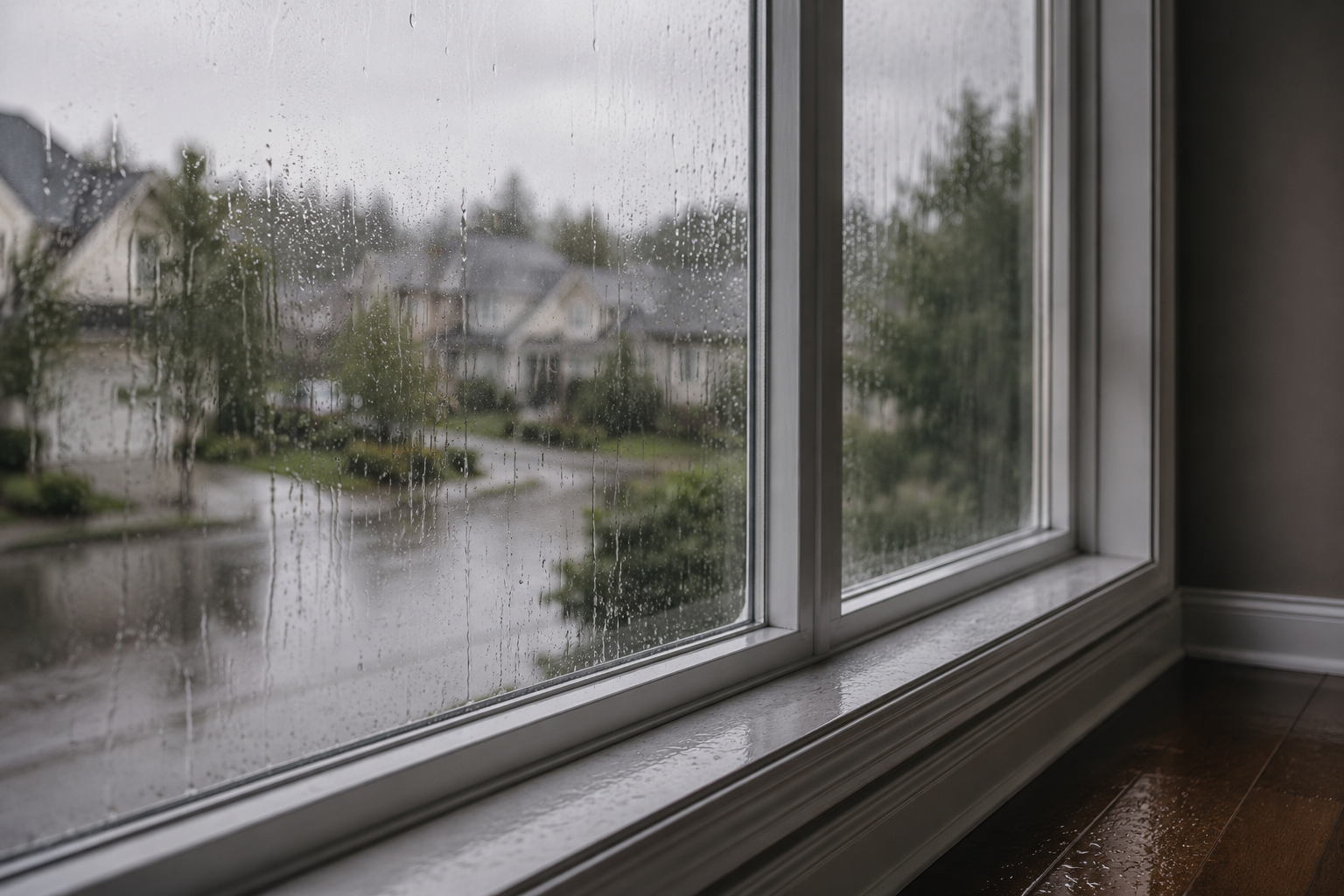
Slow the water, then call.
Move what you can out of the wet area and call about active intrusion. First safe steps get covered on the phone while cleanup is arranged.
How storms push water into a house
Storm water rarely breaks in. It follows the small openings a house already has:
- Window wells that fill faster than they drain.
- Hairline foundation cracks and the joint where floor meets wall.
- Door thresholds and garage entries at grade level.
- A sump pump that lost power or cannot keep up.
- Gutters and downspouts dumping water against the foundation.
- Wind-driven rain working under siding, flashing, or a worn roof edge.
Treat it like an emergency
- Storm water soaks framing and drywall the same way a burst pipe does.
- Ground water can carry soil and debris that make cleanup harder.
- A finished basement hides moisture behind paneling and carpet pad.
- Call +1 612 416 7784 while the entry point is still easy to spot.
What to check once the rain stops
- Window wells and the basement walls below them.
- Carpet edges and corners on the lowest level.
- Around the sump basin and floor drains.
- Ceilings and top-floor closets under roof valleys.
- Storage boxes and furniture legs sitting on concrete.
- A musty smell that shows up a day or two later.
Dry on top can still be wet underneath
- Concrete and carpet pad hold water long after the surface feels dry.
- Wall cavities and insulation can stay damp with no visible sign.
- Moisture readings tell the real story better than a hand check.
- A quick check now is cheaper than repairs later.
What happens after you call
Trace the entry
The path the water took gets traced before anything gets dried, so the fix targets the right spot.
Remove the water
Standing water gets extracted, and soaked materials like carpet pad get pulled where needed.
Dry and verify
Air movers and dehumidifiers run until moisture readings come back down to normal.

Lowering the odds of a repeat
No house can be storm-proofed completely, and no cleanup makes that promise. These habits still take away the easy paths:
Move water away
Clear gutters, extend downspouts, and keep the grade sloping away from the foundation.
Cover the wells
Window well covers and cleaned drains keep the most common entry point from filling.
Test the sump
A sump pump only helps if it runs. Test it before the wet season, not during.
Storm water questions
Water only shows up during heavy rain. Is that worth a call?
Yes. Rain-only water means there is an entry point, and each storm widens it a little. A short call to +1 612 416 7784 sorts out whether it needs cleanup now or sealing first.
The water drained away on its own. Is anything left to do?
Often, yes. Concrete, carpet pad, and lower drywall can stay wet after the surface looks dry. Moisture readings settle the question without guesswork.
Does homeowners insurance cover storm water?
It depends on the policy and on how the water got in. Many homeowners work with their insurance company on water damage claims, and coverage for ground water often differs from rain-driven damage. Check the specifics with your insurer.
Get storm water out before it soaks in.
Call +1 612 416 7784 after any storm that leaves water behind, or send a request and describe what you found.
Request Help Online
Tell us where the water showed up and the best way to reach you. Prefer to talk now? Call +1 612 416 7784.
Prefer to call?
Storm water keeps soaking in while it sits. Call +1 612 416 7784 and talk through what you found.